Managing a business means watching every rupee while ensuring products reach customers without delays. Each extra truck trip, every scheduling mishap, and small inefficiencies pile up into massive expenses. Most companies face mounting transportation bills, unpredictable deliveries, and tangled supply chains. The milk run model offers a straightforward solution that’s reshaping how businesses approach logistics.
What Is a Milk Run?
Think back to how milk used to be delivered in neighborhoods. A single truck would travel through the area, stopping at various farms to collect fresh milk before heading to the dairy. Rather than each farm arranging separate transportation, one vehicle handled collections along a well-planned route.
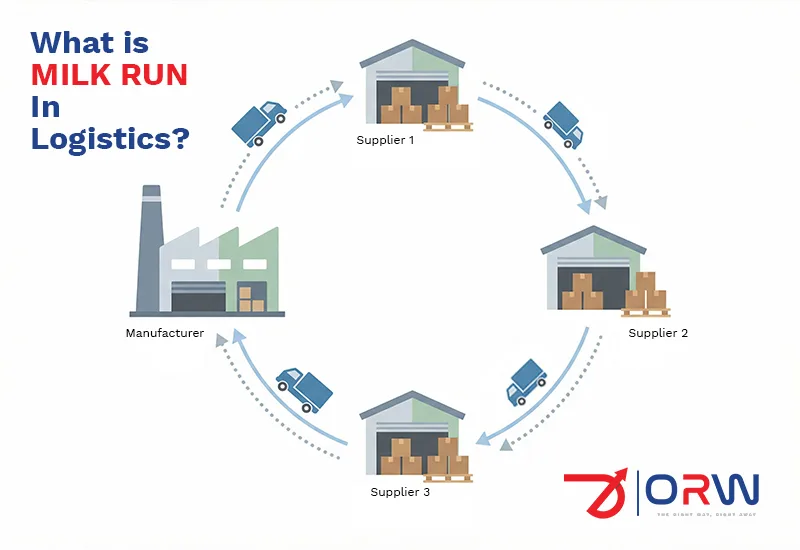
Today’s milk run in logistics follows this exact principle. One vehicle visits multiple suppliers to pick up goods and brings everything to a single destination. Or it might carry products from one warehouse to several delivery points—all during one trip. The magic lies in cutting out unnecessary journeys. Instead of coordinating five separate trucks for five suppliers, everything moves in one smooth operation.
Manufacturing plants, retail chains, and automotive companies find this approach especially useful. When you need regular pickups from several vendors, combining them into one route just makes sense.
How Milk Run Works in the Supply Chain?
Traditional supply chains can feel chaotic. Picture working with five suppliers where each one sends their own delivery truck. You’re juggling five different arrival times, five separate phone calls, and five distinct coordination headaches. It drains resources and creates constant uncertainty.
Milk run logistics flips this scenario completely. Here’s what actually happens on the ground:
One truck driver starts their day following a route mapped out in advance. They swing by Supplier A, load up materials, then head to Supplier B for the next pickup. After visiting Supplier C and maybe a couple more stops, they drive straight to your facility with everything you need. This runs like clockwork—twice weekly, daily, or whatever schedule fits your operations.
Companies using just-in-time inventory love this setup. You’re not drowning in excess stock because deliveries arrive exactly when needed. The milk run supply chain approach cuts warehouse clutter, sharpens inventory tracking, and gives you clear visibility across your supplier network.
What really stands out is how predictable everything becomes. Suppliers prepare goods knowing precisely when the truck arrives. You can plan production confidently because materials show up on schedule. This reliability builds genuine trust between everyone in the chain.
Key Benefits of Milk Run Logistics
Switching to a milk run system delivers tangible improvements that directly impact your profits. Here’s what changes when you make this move.
Slashed Transportation Expenses: Why pay for five trucks when one does the job? Consolidating pickups cuts freight costs dramatically. Less fuel burned, fewer driver salaries, and each vehicle carries full loads instead of running half-empty.
Maximized Vehicle Efficiency: Empty trucks hemorrhage money. Milk run logistics ensures trucks fill up properly because they’re gathering from multiple locations. You squeeze real value from every kilometer traveled.
Trimmed Inventory Spending: Reliable delivery schedules mean you can stop hoarding materials “just in case something goes wrong.” Leaner inventory opens up warehouse space and drops your storage bills noticeably.
Consistent Delivery Performance: Fixed routes create rhythm in your operations. Your production team knows when materials arrive, which smooths out planning and prevents frustrating downtime.
Greener Operations: Fewer trucks means burning less diesel and releasing fewer emissions. Businesses serious about environmental responsibility appreciate this concrete way to lighten their carbon footprint.
Deeper Supplier Partnerships: Scheduled pickups foster regular interaction with suppliers. This ongoing collaboration often strengthens relationships and opens doors to better deals down the road.
Real companies implementing milk run models typically watch transportation costs drop 20-30%. The operational gains show up clearly in monthly reports.
Challenges and Limitations of Milk Run Model
Milk run logistics delivers impressive results, but it won’t magically solve every transportation challenge. Knowing the downsides helps you decide if it fits your situation.
Tricky Route Planning: Designing efficient routes demands serious thought. Distance, traffic jams, pickup windows, and cargo volumes all factor in. Poorly planned routes can backfire and actually inflate costs.
Supplier Synchronization Issues: Every supplier along the route must have goods ready at precise times. One consistently late supplier delays the entire truck, affecting everyone else waiting. Strong communication becomes non-negotiable.
Handling Volume Swings: This model shines when demand stays fairly steady. Wild week-to-week fluctuations in order volumes make maintaining efficient routes much harder.
Reduced Adaptability: Established routes resist quick changes. Adding a new supplier or adjusting delivery frequency requires reworking the entire system, which takes time.
Distance Matters: Milk runs excel when suppliers cluster in the same region. Scattered suppliers spread across huge distances erode the time and fuel advantages quickly.
Setup Investment: Rolling out a milk run system needs upfront effort—data crunching, detailed planning, and getting suppliers on board. There’s definitely a learning phase as everyone adjusts.
Most businesses discover the advantages outweigh these hurdles when they design the system thoughtfully and partner with the right logistics provider.
Role of Okara Roadways in Implementing Milk Runs
Setting up a milk run system takes more than sketching routes on a map—you need a logistics partner who gets it. Choosing thenext logistics company in India determines whether this strategy succeeds or stumbles.
Okara Roadways sees logistics differently. We’re not just hauling boxes between cities. We build systems that let you sleep better at night, shrink your expenses, and free you up to actually grow your business instead of constantly firefighting shipment problems.
Our milk run logistics combines smart technology with hands-on experience. Route optimization software maps the most efficient paths while factoring in real traffic patterns and delivery deadlines. Fleet tracking gives you live updates showing exactly where your shipment is right now.
As a dependablegoods transport company in India, we handle the complicated supplier coordination piece. Timely pickups and reliable schedules become our responsibility, not yours. Our reach covers all 36 states and union territories with a fleet exceeding 75,000 vehicles.
What makes us different? We focus on partnership, not transactions. Your challenges get our full attention as we design milk run solutions specifically for your supply chain. Daily pickups from neighborhood suppliers or weekly consolidation across regions—we build what actually works for your business.
Everything runs digitally in our operations. Less paperwork means fewer mistakes and complete transparency. Track shipments, check delivery confirmations, and review performance metrics through one simple platform.
Conclusion
The milk run approach represents logistics done smartly. It cuts costs, boosts reliability, and strengthens how you work with suppliers. Combining multiple pickups into planned routes reduces transportation spending, lightens environmental impact, and makes supply chains more predictable.
Yes, it requires careful planning and getting suppliers aligned. But for companies wanting to optimize logistics, the payoff justifies the effort. Success depends on thoughtful implementation and choosing logistics partners who truly understand your business.
Okara Roadways doesn’t just move cargo—we design logistics that help Indian businesses grow stronger. Tired of bloated transportation costs and unreliable shipments? Explore how milk run supply chain strategies can reshape your operations.
Ready for simpler, more efficient logistics? Reach out to Okara Roadways and see how our experience strengthens your supply chain while cutting overall costs. Let’s build a logistics partnership that actually delivers results.
READ MORE – Full Truck load , Part truck load , Parchun