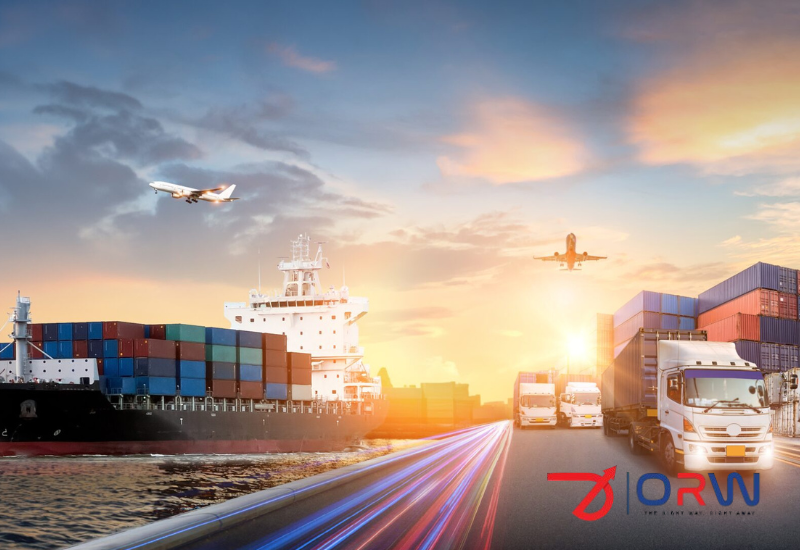
How do products travel from factories to store shelves? There’s a whole world of planning behind every shipment – that’s freight logistics at work. Sounds complicated, but the basics are pretty straightforward once broken down.
Moving goods isn’t just loading trucks anymore. Modern freight logistics involves coordinating transportation, managing paperwork, tracking shipments, handling warehouses, and solving problems as they pop up. For businesses shipping products, getting this right can mean the difference between success and struggling. This guide cuts through the complexity and skillfully explains freight logistics.
What Freight Logistics Really Means?
Freight logistics is organizing and managing how goods move from one place to another. More than just transportation – it’s the entire coordination process ensuring shipments arrive on time, intact, and cost-effectively.
Multiple pieces need to work together. Arranging vehicles, handling documents, managing storage facilities, clearing customs for international stuff, tracking cargo, and fixing issues when things go sideways. That’s what freight logistics handles daily.
Here’s the distinction: transportation physically moves goods. Logistics plans everything – which vehicles work best, optimal routes, timing, paperwork, regulations, backup plans. One’s the action, the other’s the strategy.
Manufacturers need raw materials delivered. Retailers require inventory restocked constantly. Online stores ship individual orders. Construction sites need equipment. Every industry depends on smooth freight movement happening behind the scenes.
Why Speed Has Become Non-Negotiable?
Customers expect quick deliveries now. Waiting weeks for shipments? That’s ancient history. Fast freight logistics isn’t optional anymore – it’s how competitive businesses operate.
Traditional shipping moved at steady but slow speeds. Nobody really complained because everyone operated similarly. Today’s reality? Completely different. Next-day delivery feels normal. Same-day delivery is becoming standard in major cities.
Fast freight logistics requires more than speeding up vehicles. Smart planning, better route optimization, efficient loading processes, streamlined paperwork, and real-time problem-solving all contribute. Technology plays a massive role – automated systems handle documentation faster, GPS finds optimal routes, and digital communication keeps everyone coordinated.
The benefits go beyond just speed. Faster movement means lower storage costs since goods don’t sit collecting dust. Inventory turns over quickly, freeing up capital. Perishable items maintain better quality. Customer satisfaction increases naturally.
But speed shouldn’t sacrifice safety or accuracy. The best freight logistics companies balance both – goods arrive quickly AND intact at the correct destinations.
Tracking Technology Changes Everything
Shipping valuable cargo without knowing its location for days? That’s stressful. Freight bridge logistics tracking has become absolutely essential because of this.
Tracking systems provide real-time visibility into where shipments are and their status. Using GPS, RFID tags, and digital platforms, businesses monitor cargo throughout journeys. Everyone benefits from this transparency.
Shippers gain peace of mind knowing exactly where goods are, estimated arrivals, and immediate delay notifications. Planning becomes easier with accurate information instead of guessing.
Logistics providers improve efficiency through real-time data. Optimizing routes, allocating resources better, and responding quickly to problems all become possible. Truck hits traffic? Dispatchers can reroute or inform customers proactively.
Customers build trust through tracking. Updates about shipment progress provide reassurance. Many freight logistics services offer portals where people can check the status themselves, reducing inquiry calls.
Modern systems do more than show location. They monitor temperature for sensitive goods, detect impacts that might damage cargo, alert about delays, integrate with inventory systems, and generate compliance reports.
Choosing Your Logistics Partner Wisely
Not all providers are equal. Selecting the right freight logistics companies significantly impacts operations and costs.
Experience matters enormously. Companies with years in the industry understand challenges, have established networks, and handle unexpected situations smoothly. Check their history and client feedback.
Service coverage determines usability. Do they operate where you need? Handle domestic, international, or both? Some specialize in specific routes while others offer broader reach.
Technology adoption separates modern providers from outdated ones. Companies using advanced tracking, digital documentation, automated booking, and data analytics typically deliver better service.
Fleet and infrastructure reveal capacity. Do they own vehicles or subcontract everything? What’s their warehouse network like? Owned assets usually mean more control and reliability.
Customer service quality impacts daily experience. Responsive communication, problem-solving ability, transparency about issues – these matter. You want partners who genuinely care about your business.
Pricing should be transparent and competitive. Understand exactly what you’re paying for. Hidden fees damage relationships. Good providers offer clear pricing and explain costs honestly.
Essential Services Worth Having
Comprehensive freight logistics services cover entire shipping journeys, not just moving trucks.
Transportation management arranges vehicles, books shipments, plans routes, coordinates pickups and deliveries. This includes road freight, air cargo, ocean shipping, and rail transport.
Warehousing provides temporary or long-term storage space. Modern facilities offer climate control, security, inventory management, and distribution capabilities.
Customs clearance simplifies international shipping. Navigating regulations, preparing paperwork, paying duties, ensuring compliance – experienced providers handle these bureaucratic headaches smoothly.
Cargo insurance protects against loss or damage. While carriers have limited liability, comprehensive coverage protects full value.
Packaging ensures goods survive transportation. Proper packaging prevents damage from vibration, temperature changes, moisture, or impacts.
Last-mile delivery connects warehouses to final destinations. This crucial step determines customer satisfaction and represents the most visible part of journeys.
Technology Reshaping the Industry
Digital platforms automate booking and documentation that once took hours. Online portals allow instant rate comparisons, booking confirmations, document uploads. Automation reduces errors and speeds everything.
Artificial intelligence optimizes routing and predicts delays. AI analyzes traffic patterns, weather, historical data, countless variables to suggest optimal routes and anticipate problems.
IoT sensors monitor cargo conditions continuously. Temperature sensors protect perishables, shock detectors identify rough handling, humidity monitors prevent moisture damage.
These technologies make fast freight logistics possible at scale while maintaining reliability.
Making It Work for Your Business
Assess needs accurately first. What volumes? How frequently? Which destinations? Time sensitivity? Special requirements? Clear understanding guides decisions.
Build relationships with reliable providers. Partner rather than just transact. Good freight logistics companies become team extensions, understanding your business and suggesting improvements proactively.
Leverage technology fully. Use tracking actively. Analyze shipping data for patterns. Implement integrations between systems. Technology investment pays off in efficiency.
Plan ahead when possible. Rush shipments cost more and stress systems. Forecasting needs and advance scheduling improves quality while reducing costs.
Wrapping Up
Freight logistics forms the backbone of modern commerce. Understanding how it works, available services, and choosing providers empowers businesses to ship smarter and more cost-effectively.
Whether needing fast freight logistics for urgent deliveries, freight bridge logistics tracking for visibility, or full-service solutions, the right options exist. Success comes from matching specific needs with appropriate services.
The landscape keeps evolving with technology and changing demands. Staying informed ensures freight operations remain efficient and competitive.
Read Also : Top 10 Logistics Companies in India